

how does bulletproof glass work
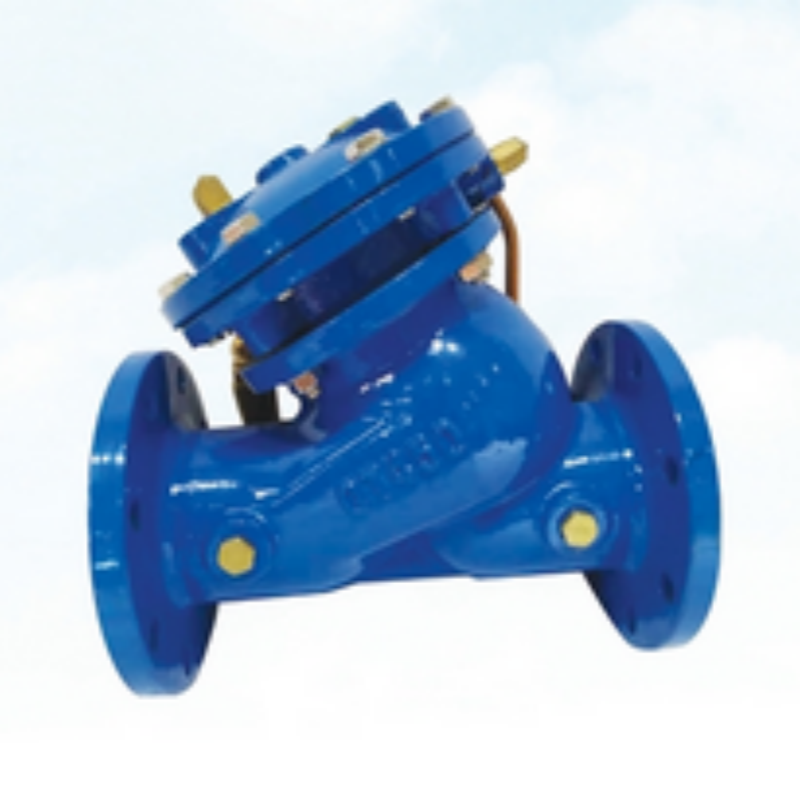
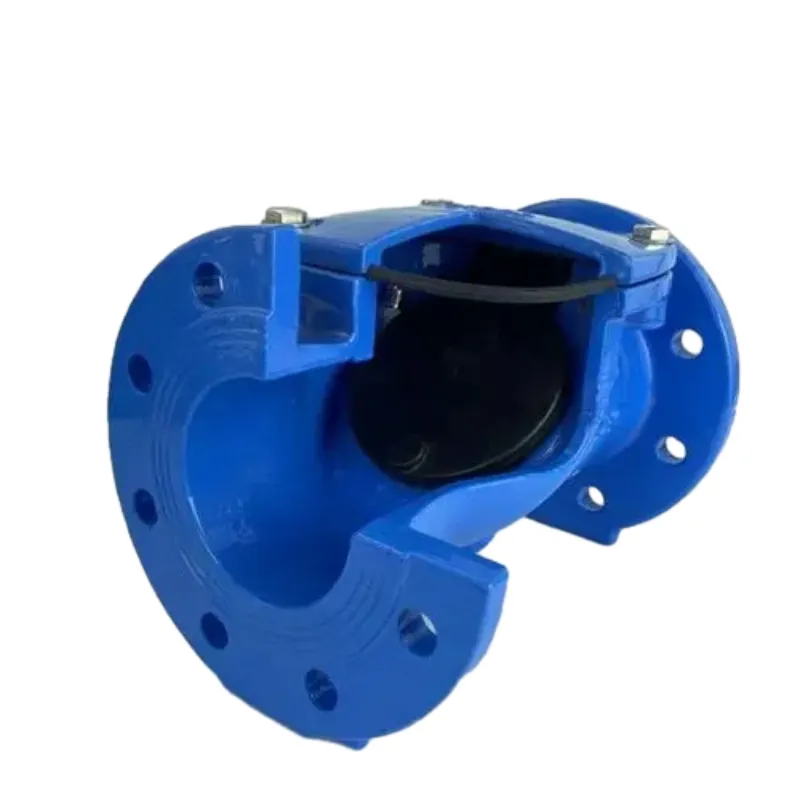
Understanding Flow Control Valve Types Flow control valves play a critical role in managing fluid flow in various industries, from manufacturing to aerospace. These devices regulate the flow rate of liquids or gases, ensuring that systems operate efficiently and safely. With diverse applications, it is essential to understand the different types of flow control valves, their functions, and the contexts in which they are used. Types of Flow Control Valves 1. Globe Valves Globe valves are one of the most common types of flow control valves. They are characterized by a spherical body shape that helps optimize the flow direction. The internal baffle and the disc allow for precise control of flow rates, making them suitable for throttling applications. Globe valves are often used in water supply systems and industrial processes where flow regulation is essential. 2. Ball Valves Ball valves use a spherical ball with a hole through its center to control flow. When the ball is rotated, it either allows flow through the valve or blocks it completely. Ball valves are popular because they provide a quick shut-off capability and low fluid resistance when open. They are commonly used in oil and gas industries, plumbing, and HVAC systems. 3. Gate Valves Gate valves, as their name suggests, function similarly to a gate. They consist of a flat gate that is raised or lowered to start or stop fluid flow. While gate valves are excellent for fully open or closed positions, they are not ideal for throttling applications, as they can cause wear and tear. Their best use cases are in pipelines where a complete shutoff is necessary, such as in water distribution systems. 4. Check Valves Check valves are essential for preventing backflow in piping systems. They automatically close if the flow in the reverse direction occurs, ensuring that the system operates efficiently without the risk of contamination. Check valves are commonly found in water pumps and sump pumps to prevent backflow that can compromise system integrity. 5. Butterfly Valves Butterfly valves consist of a rotating disc that regulates flow. When the disc is perpendicular to the flow, it blocks the flow; when it is parallel, it allows fluid to pass. These valves are lightweight and can be quickly operated, making them suitable for large pipes where space and weight are considerations. Common applications include HVAC systems and water treatment facilities. flow control valve types 6. Pressure Relief Valves Pressure relief valves are designed to prevent overpressure in systems. They automatically open when the pressure exceeds a predetermined level, allowing excess pressure to escape and protecting the system from damage. These valves are crucial in various applications, such as boilers and pressure vessels, ensuring operational safety. 7. Proportional Control Valves Proportional control valves allow for precise control based on varying input signals, such as pressure or temperature. They adjust flow rates in real-time, commonly used in process control, robotics, and automated systems. Their ability to maintain consistent performance across varying operating conditions makes them invaluable in advanced applications. Choosing the Right Flow Control Valve Selecting the appropriate flow control valve depends on several factors, including the type of fluid being controlled, the flow rate requirements, and the specific application environment. It is vital to consider parameters such as temperature, pressure, and material compatibility to ensure optimal performance. Additionally, understanding the installation requirements and maintenance considerations is essential. Some valves, like gate valves, require more significant space for operation, while others, like butterfly valves, are more compact. Maintenance needs can vary widely; some valves may need routine inspections and repairs, while others are designed for long-lasting performance with minimal upkeep. Conclusion Flow control valves are integral components in various fluid systems, playing a pivotal role in maintaining operational efficiency and safety. By understanding the different types of flow control valves—globe, ball, gate, check, butterfly, pressure relief, and proportional control—engineers and technicians can make informed decisions in designing and maintaining fluid systems. With the right valve in place, industries can ensure optimal performance, reliability, and safety in their operations, contributing to successful outcomes across different applications. As technology advances, the development of new valve designs and controls will continue to enhance fluid management solutions worldwide.
about
how does bulletproof glass work
The Significance of Large Granite Blocks in Architecture and Landscape Design Granite, a durable and aesthetically pleasing natural stone, has been a favored material in construction and design for centuries. Among its various forms, large granite blocks stand out for their versatility, strength, and beauty. This article explores the significance of large granite blocks in both architecture and landscape design, emphasizing their historical, functional, and artistic value. Historical Context Historically, large granite blocks have been utilized in some of the most iconic structures around the world. The Great Pyramids of Giza and the temples of ancient Egypt are compelling examples of the use of massive stone blocks that have withstood the test of time. Similarly, the Romans leveraged granite in their monumental architecture, constructing enduring structures like aqueducts and public baths. This historical foundation highlights granite's reputation for longevity and resilience, characteristics that continue to make it a preferred material in modern construction. Architectural Applications In contemporary architecture, large granite blocks serve various functions. They are commonly used in building facades, where their substantial size adds gravity and presence to a structure. The smooth surfaces of polished granite can reflect light beautifully, enhancing the visual appeal of office buildings, museums, and universities. Granite’s thermal mass properties also make it an excellent choice for energy-efficient buildings . It can absorb heat during the day and release it slowly at night, helping to regulate indoor temperatures. Furthermore, the stone is resistant to weathering, making it suitable for exterior applications in various climates. Architects often choose large granite blocks for their structural integrity and their ability to maintain aesthetics over time. Landscape Design large granite blocks In landscape design, large granite blocks play a vital role in creating stunning outdoor spaces. They can be utilized in various ways, from retaining walls to seating areas, and even as decorative features. When used in gardens, these blocks can create a sense of permanence and solidity, grounding the design in nature. Granite boulders are particularly popular in naturalistic designs. They can be strategically placed to mimic the look of natural rock formations, enhancing the landscape's organic feel. Additionally, granite is often chosen for pathways and steps; its non-slip surface provides safety while maintaining an earthy aesthetic. By integrating large granite blocks into a landscape, designers can create focal points that attract the eye and draw individuals into the space. Artistic Expression Beyond their functional uses, large granite blocks offer unique opportunities for artistic expression. Sculpture is one of the most traditional art forms involving granite, with artists carving massive blocks into intricate forms. This practice can be observed in many public spaces, where monumental sculptures made of granite provide both beauty and contemplation for viewers. Moreover, large granite blocks can be used creatively in site-specific installations. Contemporary artists often use these massive stones in conceptual works that engage with their environment, history, or cultural significance. These installations can provoke thought and dialogue about the relationship between human beings and nature or the stories embedded in geological materials. Conclusion In conclusion, large granite blocks embody a rich blend of historical significance, functional versatility, and artistic potential. Their durability ensures that they can withstand the ravages of time, while their natural beauty enhances both architectural designs and landscape settings. As humanity continues to innovate and explore new uses for natural stone, large granite blocks will undoubtedly remain integral to the conversation surrounding building materials and design aesthetics. Whether in monumental architecture, intimate gardens, or bold public art, granite blocks are a testament to the enduring appeal of nature’s artistry.
-

High quality industrial productsagement

High quality industrial products
View Details -

Meet the diverse needs of customers

Meet the diverse needs of customers
View Details -

Strict quality control

Strict quality control
View Details -

Top raw materials

Top raw materials
View Details -

Trusted supplier

Trusted supplier
View Details
Our application
news and information
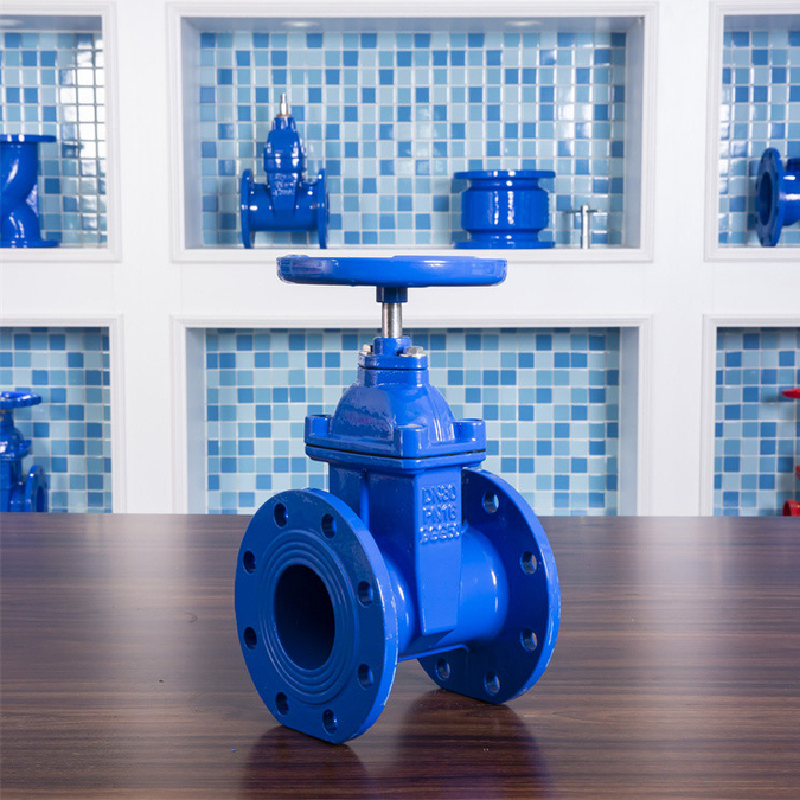
Vanne à boule Fisher pour des applications industrielles et de contrôle de flux
La vanne à globe Fisher un choix stratégique pour l'industrie Dans un monde où l’efficacité et la f
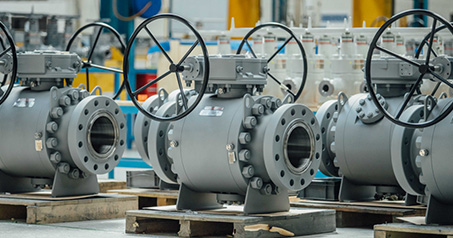
Welding and Fabrication Techniques for Efficient Metal Assembly and Construction
Understanding the Welding Fabrication Table A Comprehensive Overview Welding fabrication tables play
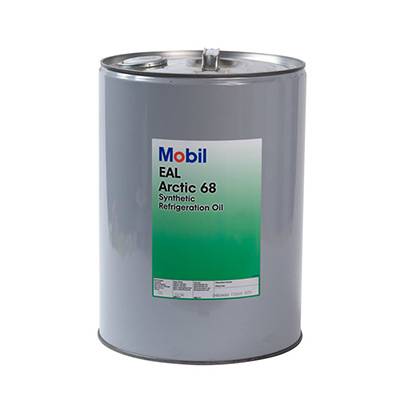
vibration pad manufacturer
The Importance of Vibration Pads in Industrial Applications In today's fast-paced industrial environ
 English